ابراهیم حسن، حسن (1964). المعزلدین الله، قاهره، مطبعه الساده.
ابن أبی أصیبعه، أحمد بن القاسم ) بیتا). عیون الأنباء فی طبقات الأطباء، المحقق نزار رضا، بیروت، دار مکتبه الحیاه.
ابن اثیر، عز الدین على (1371). کامل تاریخ بزرگ اسلام و ایران، ترجمۀ ابو القاسم حالت و عباس خلیلى، تهران، مؤسسه مطبوعاتى علمى، ج 21.
ابن العبرى (1377). مختصر تاریخ الدول، ترجمۀ عبدالمحمد آیتى، تهران، علمى و فرهنگى.
ابن العماد، شهاب (1406). شذرات الذهب فی أخبار من ذهب، تحقیق عبدالقادر الارناؤوط، بیروت، دار ابنکثیر.
ابن القلانسی، أبویعلىحمزة (1403). ذیل تاریخ دمشق، تحقیق سهیل زکار، بیروت، مطبعة الاباء الیسوعیین.
ابن تغریبردى، جمال الدین (بیتا). النجوم الزهرة فی ملوک مصر والقاهره، قاهره، المؤسسة المصریة للتألیف والترجمة، ج 3 و 4.
ابن جوزی، شمسالدین أبوالمظفر (1991). مرآة الزمان فی تاریخ الأعیان، جنان جلیل الهموندی، بغداد، الدار الوطنیة.
ابن حجر العسقلانی، أبو الفضل أحمد (1418). رفع الإصر عن قضاة مصر، تحقیق علی محمد عمر، قاهره، مکتبة الخانجی.
ابن خلدون، أبوزید (1408). تاریخ ابن خلدون، المحقق خلیل شحادة، بیروت، دارالفکر، ج 4.
ابن خلکان، ابوالعباس (1994). وفیات الاعیان وأنباء الزمان، تحقیق احسان عباس، بیروت، دارصادر، ج 2 و 7.
ابن زولاق، ابو محمد الحسن (1933). اخبار سیبویه المصری، قام بنقله ونشره وکتابة ترجمه، اسعد محمد إبراهیم وحسین الدیب، القاهرة، مکتبة الأبحاث العلمیة لنشر علوم العربیة.
ابن صیرفی، أبوالقاسم علی (1933 م). الإشاره إلى من نال الوزاره، بتحقیقه و التعلیق علیه عبدالله مخلص، المحفوظه فی خزانه الکتب الخالدیه بیت المقدس، القاهره، مطبعة المعهد العلمی الفرنسی.
ابن عساکر، أبو القاسم علی (1415). تاریخ دمشق، المحقق عمرو بن غرامة العمروی، ج 74.
ابن کثیر، أبو الفداء (1408). البدایة والنهایة، المحقق علی شیری، بیروت، دارإحیاء التراث العربی، ج 11.
ابن منظور، أبوالفضل جمال الدین (1402). مختصر تاریخ دمشق، المحقق روحیة النحاس، ریاض عبد الحمید مراد، محمد مطیع، دمشق، دار الفکر، ج 28.
الزیدی، مروان عطیه (2012). «یعقوب بن کلس ودورة فی الدولتین الاخشیدیة والفاطمیة»، جامعة ذی قار، مجلة کلیة التربیة للعلوم الانسانیة، المجلد الثانی، صص 92-79.
المناوی، محمد حمودی (1970). الوزراه و الوزراء فی العصر الفاطمی، مصر، دارالمعارف.
الصفدی، صلاح الدین (2000). الوافی بالوفیات، تحقیق أحمد الأرناؤوط وترکی مصطفى، بیروت، دار إحیاء التراث، ج 28.
العامری، علی فیصل عبدالنبی (2018). «یعقوب بن کلس أول الوزراء الفاطمیین»، مجله کلیه التربیه للبنات، المجلد 29، ص 1860-1835.
العلوی، بدربن هلال (2020). «الوزارة فی خلافه العزیز بالله الفاطمی. جامعة الاسکندریة»، مجلة کلیة الاداب، المجلد 71، العدد 101، صص 37-1.
أیمن فؤاد، سید (2007). الدوله الفاطمیه فی مصر، تفسیر جدید، قاهره، الدار المصریه البنانیه.
بابایی سیاب، علی (1398). تاریخ نگری و تاریخ نگاری اسماعیلیان، قم، پژوهشگاه حوزه و دانشگاه.
بهرامنژاد، محسن و دیگران (1397). «مقایسه نقش و رویکرد خواجه نظام الملک طوسی در نظام تعلیم و تربیت سلجوقیان با نقش و رویکرد یعقوب بن کلس در نظام تعلیم و تربیت فاطمیان»، سومین همایش ملی زبان، ادبیات و بازشناسی مشاهیر و مفاخر.
جاناحمدی، فاطمه، خسروی، لیلا (1390). «تحول ساختاری نهاد وزارت در مصرعصر فاطمی»، پژوهش نامه تاریخ اسلام، س 1، ش4، صص 47-27. DOR: 20.1001.1.22519726.1390.1.4.2.6
خربوطلی، علی حسنی (1968). العزیز بالله الفاطمی، قاهره، دار الکتاب العربی.
خسروی، لیلا (1387). «تطور و تحول نهاد وزارت در مصر عصر فاطمی»، پایان نامه کارشناسی ارشد، به راهنمایی فاطمه جاناحمدی، تهران، دانشگاه الزهرا.
دفتری، فرهاد (1376). تاریخ و عقاید اسماعیلیه، ترجمه فریدون بدرهای، تهران، فروزان.
ذهبی، شمسالدین (1427). سیر أعلام النبلاء، قاهره، دار الحدیث، ج 12.
ذهبی، شمسالدین (1993). تاریخ الاسلام و وفیات المشاهیر والاعلام، تحقیق عمر عبدالسلام تدمری، بیروت، دارالکتاب العربی، ج 26.
زیدان، جرجی (1392). تاریخ تمدن اسلام، ترجمه علی جواهر کلام، تهران، امیرکبیر.
سلطان، عبدالحمید (2005). الحیاة الاقتصادیة و الأسواق فی العصر الفاطمی، قاهره، الاسکندریة.
شیرمحمدی، عباس، گلجان، مهدی، اتفاق فر، فرشته السادات (1402). «نقش وُزرا در فراز و فرود حکومت فاطمیان مصر»، پژوهش نامه امامیه، س 9، ش 17، صص 60-37. DOI: 10.22034/jis.2023.293359.1680
شیرمحمدی، عباس، گلجان، مهدی، اتفاق فر، فرشته السادات (1401 ش). «نقش وزرای شیعه مذهب در اقتدار فاطمیان و گسترش تشیع در مصر»، فصلنامه تاریخ محلات، س 17، ش 65، صص 38-22.
عنان، محمد عبد الله (1983). الحاکم بامر الله و اسرار الدعوة الفاطمیة، القاهرة، مکتبة الخانجی.
فوزی، فاروق عمر (1973). «یعقوب بن کلس الیهودی وزیر للدولة الفاطمیة»، جامعة بغداد، مجلة الدراسات الفلسطینیة، المجلد الثانی، صص 212-187.
قلقشندی، أحمد بن عبد الله (بیتا)، صبح الأعشى فی صناعة الإنشاء، بیروت، دار الکتب العلمیة، ج 3.
کاشف، سیده اسماعیل (1964). «دراسات فی النقود الاسلامیه، قاهره»، المجله التاریخیه المصریه، مجلد الثانی العشر، صص 59-110
کاظمبیگی، محمدعلی (1377). «ابن کلس»، دایره المعارف بزرگ اسلامی، زیر نظر محمد کاظم موسوی بجنوردی، تهران، دائره العمارف بزرگ اسلامی، ج 4.
مصطفى مشرفة، عطیة (2016). نظم الحکم بمصر فی عصر الفاطمیین. بیروت، دارالفکر العربی.
مقریزی، أحمد بن علی (1418). المواعظ والاعتبار بذکر الخطط والآثار، بیروت، دار الکتب العلمیة، ج 1، 2، 3 و 4.
مقریزی، أحمد بن علی (بیتا). اتعاظ الحنفاء بأخبار الأئمة الفاطمیین الخلفاء، المحقق جمال الدین الشیال، بیروت، المجلس الأعلى للشئون الإسلامیة، ج 1.
ناصری طاهری، عبدالله (1393). فاطمیان در مصر، قم، پژوهشگاه حوزه و دانشگاه.
هشام فوزی، عبدالعزیز (2000). «یعقوب بن کلس الیهودی وأثره فی الدولة الفاطمیة 357 - 380 هــ / 967 - 990 م»، مجلة کلیة الدراسات الإسلامیة والعربیة، مجلد 18، ص 212-187.
یاس، کفاح إبراهیم عباس (2021). «الوزیر الفاطمی یعقوب بن کلس؛ دراسة تاریخیة»، مجله جامعه تکریت للعلوم الانسانیه، صص 331-345.
یاقوت الحموی، شهاب الدین أبوعبد الله (1414)، معجم الأدباء. المحقق إحسان عباس، بیروت، دارالغرب الإسلامی، ج 2.
Abd al-Latif, M (1984). The Ikhshidid Administration in Egypt, Journal of Near Eastern Studies.
Al-Imad, Leila Sami (1990). The Fatimid Vizierate 969 1172. Berlin:Klaus Schwarz Verlag,
Heijer, den, Lev, Yaacov,Y., & Swanson, M. N (2015). Non-Muslim Communities in Fatimid Egypt (10th–12th Centuries ce), Medieval Encounters, 21(4-5).
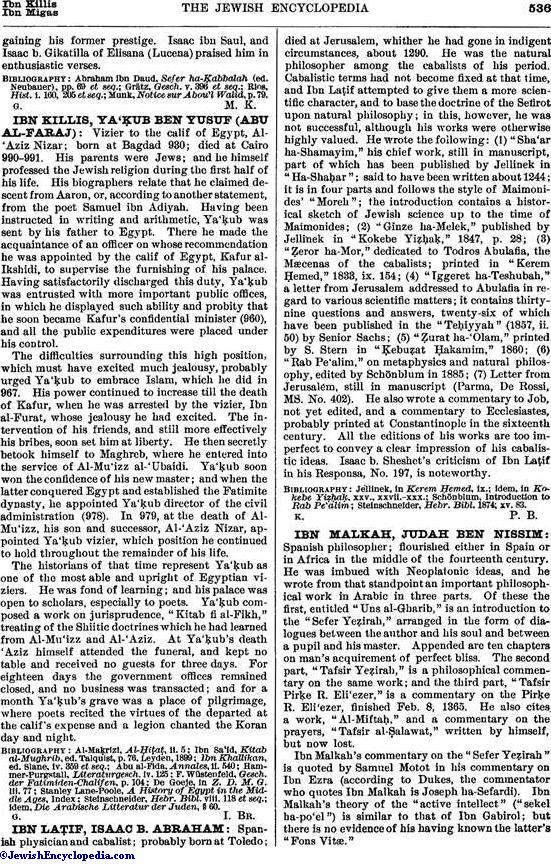
jewishencyclopedia.com/articles/8000-ibn-killis-ya-kub-ben-yusuf-abu-al-faraj, V:6.
Kennedy, H (2015). The Prophet and the Age of the Caliphates (3rd ed.), London: Routledge.
Lev, Y (1991). State and Society in Fatimid Egypt, Leiden: Brill
Lev,Y(1987). Army, Regime, and Society in Fatimid Egypt, 358-487/968-1094, International Journal of Middle East Studies, Vol. 19, No. 3.
Mark R. Cohen and Sasson Somekh (1990).In the Court of Ya'qūb Ibn Killis: A Fragment from the Cairo GenizahThe Jewish Quarterly Review,Vol. 80, No. ¾.